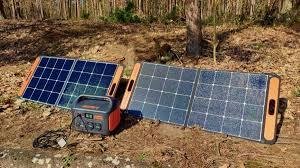
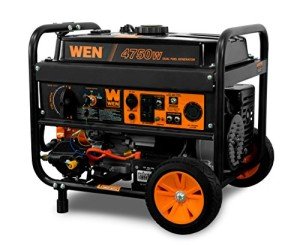
How to Choose the Right Solar Generator for Home Backup PowerPower outages are one of the most common emergencies preppers prepare for. A good solar generator can keep lights on, phones charged, refrigerators running, and medical devices working when the grid goes down.In this buyer’s guide, we explain exactly how to choose the right solar generator for your needs, compare different sizes and types, and help you avoid wasting money on the wrong unit.Why You Need a Solar Generator
Unlike traditional gas generators, solar generators are quiet, produce no fumes, require almost no maintenance, and can be recharged by the sun — making them ideal for long-term outages and indoor use.Solar Generator Size Comparison Key Features to Consider
You can browse a wide selection of solar generators, portable power stations, and solar panels by visiting our Solar Generators & Power category.Pro Tip
Start with a mid-sized unit (1000–1500W) and expand later. It’s better to have a reliable smaller system than an underpowered large one.Disclaimer
The information in this buyer’s guide is for educational and informational purposes only. It is not intended to replace professional electrical advice. Always follow manufacturer instructions and local safety regulations when using generators and high-power equipment. Individual results may vary depending on usage and conditions.Ready to Get Backup Power?
Browse our Solar Generators & Power category today for quality solar generators and related gear. We focus on linking you to the best current deals from trusted retailers so you can stay powered during emergencies.
Unlike traditional gas generators, solar generators are quiet, produce no fumes, require almost no maintenance, and can be recharged by the sun — making them ideal for long-term outages and indoor use.Solar Generator Size Comparison Key Features to Consider
- Battery Capacity (Wh) — Higher watt-hours = longer runtime.
- Output Watts (Continuous & Surge) — Make sure it can handle starting surges from fridges and pumps.
- Solar Input — Higher input (400W+) means faster recharging.
- Number of Ports — AC outlets, USB ports, DC car ports, etc.
- Expandability — Can you add extra batteries later?
- Weight & Portability — Important if you need to move it during evacuation.
- App Control — Some models let you monitor via smartphone.
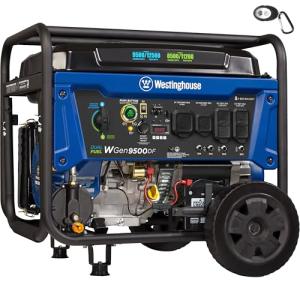
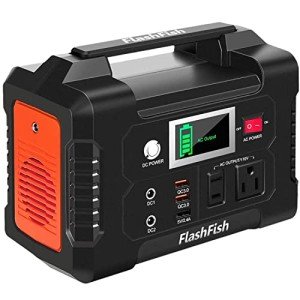
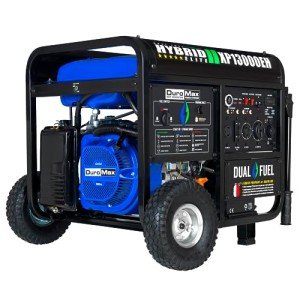
- Small Apartment / Couple: 500–1000W unit
- Family Home: 1500–2000W unit with expansion options
- Off-Grid Cabin: 3000W+ system with multiple solar panels
- Always check real-world user reviews for runtime claims.
- Buy extra solar panels — many people underestimate how long full charging takes on cloudy days.
- Consider Lithium (LiFePO4) batteries for longer lifespan and safety.
- Test your generator before an emergency.
You can browse a wide selection of solar generators, portable power stations, and solar panels by visiting our Solar Generators & Power category.Pro Tip
Start with a mid-sized unit (1000–1500W) and expand later. It’s better to have a reliable smaller system than an underpowered large one.Disclaimer
The information in this buyer’s guide is for educational and informational purposes only. It is not intended to replace professional electrical advice. Always follow manufacturer instructions and local safety regulations when using generators and high-power equipment. Individual results may vary depending on usage and conditions.Ready to Get Backup Power?
Browse our Solar Generators & Power category today for quality solar generators and related gear. We focus on linking you to the best current deals from trusted retailers so you can stay powered during emergencies.