
Family Emergency Preparedness Plan – Step-by-Step Guide for BeginnersCreating a family emergency preparedness plan is one of the most important things you can do to protect your loved ones. When disaster strikes, confusion and panic can make a bad situation worse. A clear, practiced plan helps your family stay calm, act quickly, and stay safe.In this complete beginner’s guide, we walk you through building a practical family emergency plan step by step, including checklists, communication strategies, and what every household should prepare.Why Every Family Needs an Emergency Plan
Most families assume “it won’t happen to us.” But power outages, storms, floods, or supply disruptions can strike with little warning. A well-prepared family is far more likely to stay safe, avoid injury, and recover faster.Step-by-Step Family Emergency Preparedness PlanStep 1: Discuss and Involve Everyone
Focus on the “72-Hour Rule” first, then expand to 2–4 weeks.Step 4: Prepare Your Home
Decide in advance:
You can browse quality family emergency kits, bug out bags, water storage, and first aid supplies by visiting our Emergency Preparedness category.Pro Tips for Success
The information in this buyer’s guide is for educational and informational purposes only. It is not intended to replace professional emergency management advice or training. Every family’s situation is different. Always follow official guidance from local authorities and emergency services during real events. Individual results and needs may vary.Ready to Protect Your Family?
Browse our Emergency Preparedness category today for family emergency kits, bug out bags, water storage, and essential survival gear. We focus on linking you to the best current deals from trusted retailers so you can build a practical and effective family preparedness plan.
Most families assume “it won’t happen to us.” But power outages, storms, floods, or supply disruptions can strike with little warning. A well-prepared family is far more likely to stay safe, avoid injury, and recover faster.Step-by-Step Family Emergency Preparedness PlanStep 1: Discuss and Involve Everyone
- Hold a family meeting (including children).
- Talk about possible risks in your area (hurricanes, earthquakes, winter storms, etc.).
- Assign simple responsibilities to each family member.
- Choose an out-of-town emergency contact.
- Establish a family meeting point near your home and one farther away.
- Set check-in times (e.g., every 4 hours).
- Teach children how to call 911 and memorize important phone numbers.
Focus on the “72-Hour Rule” first, then expand to 2–4 weeks.Step 4: Prepare Your Home
- Secure heavy furniture, water heaters, and shelves.
- Know how to shut off gas, water, and electricity.
- Create a “go bag” for each family member.
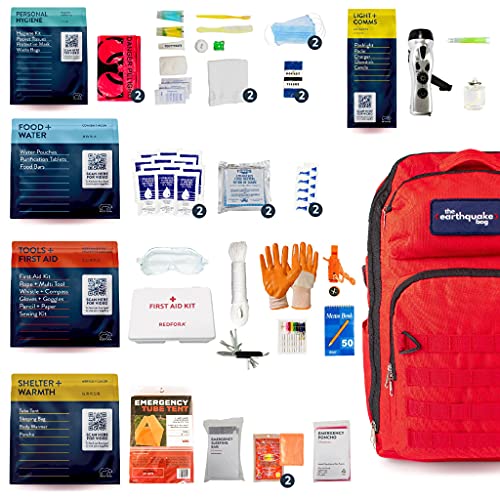
- Water: 1 gallon per person per day (minimum 14 days)
- Non-perishable food (easy to prepare)
- First aid kit + prescription medications
- Flashlights, lanterns, and extra batteries
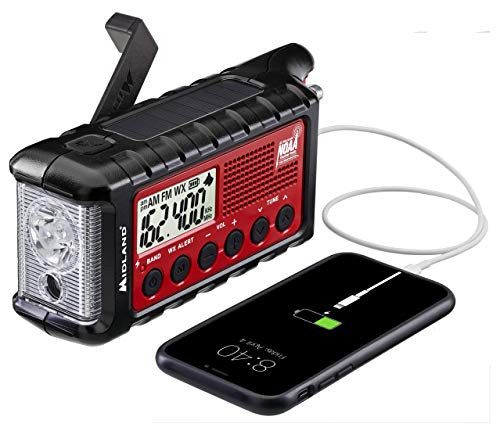
- Hand-crank or solar emergency radio
- Cash in small bills
- Important documents in waterproof bag
- Clothing, blankets, and rain gear
- Pet supplies (if applicable)
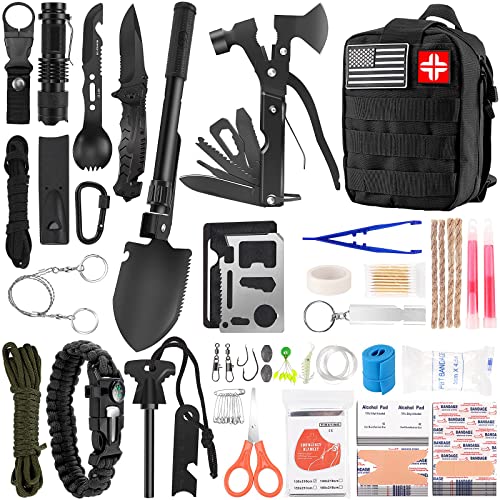
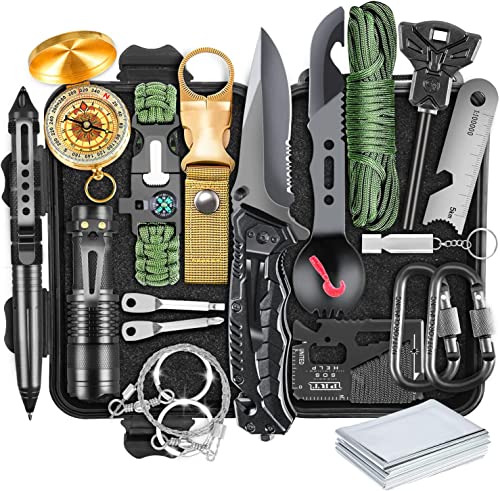
- Multi-tool, duct tape, and plastic sheeting
- Comfort items (stuffed animal, favorite blanket)
- Simple instructions with pictures
- Practice evacuation drills as a game
- Give them responsibility for their own go-bag
- Teach them basic first aid and fire safety
- Extra medications and medical equipment
- Mobility aids and easy-to-carry supplies
- Clear written instructions for caregivers
- Run a “no power weekend” drill once a year.
- Practice grabbing go-bags and leaving the house in under 5 minutes.
- Review and update your plan every 6 months.
Decide in advance:
- When will you stay home?
- When will you evacuate?
- Where will you go if you must leave?
You can browse quality family emergency kits, bug out bags, water storage, and first aid supplies by visiting our Emergency Preparedness category.Pro Tips for Success
- Keep plans simple — complicated plans fail under stress.
- Involve the whole family so everyone feels prepared.
- Start small: Build your 72-hour kit first, then expand.
- Store supplies in easy-to-grab locations.
- Consider your pets in every part of the plan.
The information in this buyer’s guide is for educational and informational purposes only. It is not intended to replace professional emergency management advice or training. Every family’s situation is different. Always follow official guidance from local authorities and emergency services during real events. Individual results and needs may vary.Ready to Protect Your Family?
Browse our Emergency Preparedness category today for family emergency kits, bug out bags, water storage, and essential survival gear. We focus on linking you to the best current deals from trusted retailers so you can build a practical and effective family preparedness plan.